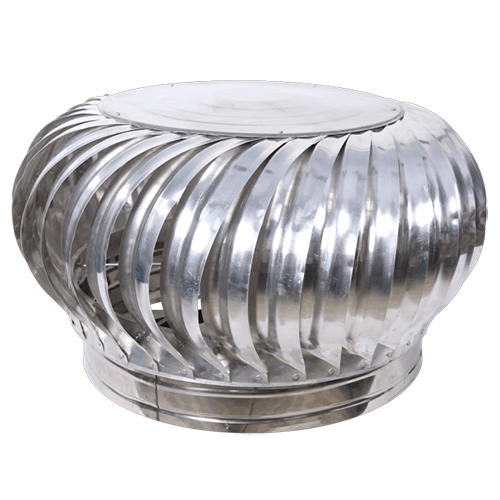
About Stainless Steel Roof Ventilator
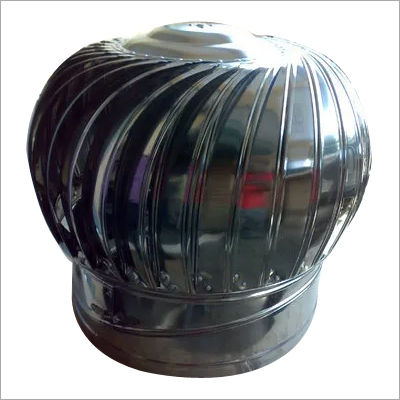
We are Leading Supplier, Trader, Distributor & Dealer of Stainless Steel Ventilator in Chennai, TamilNadu & South India Majorly .Available at industry leading prices, our excellent range of stainless steel ventilators are known for its high quality stainless steel, and raw materials procured from reputable sources. It displays high resistance to corrosion and the forces of nature to make an excellent product.
Technical Specifications
| Brand | SRE |
| Size | Customized |
| Driven Type | Electric |
| Automatic Grade | Automatic |
| Material | Stainless Steel |
| Type | Ventilation |
| Electric Current Type | AC |
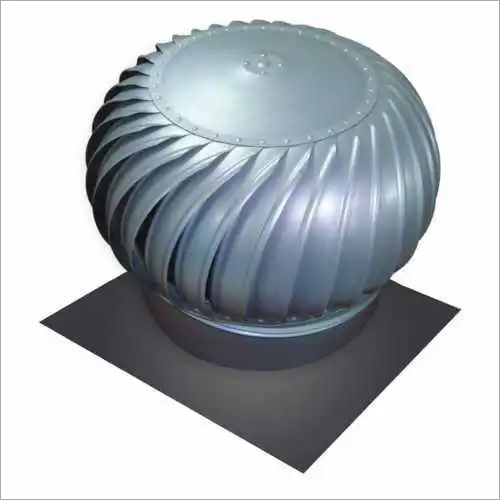
Efficient Air Circulation and VentilationDesigned for robust performance, the stainless steel roof ventilator enhances air circulation, supports exhaust requirements, and significantly reduces heat buildup inside factories, warehouses, and commercial spaces. Its unique wind-driven mechanism operates silently and requires no electricity, optimizing energy efficiency.
Durable and Weather Resistant DesignCrafted from polished or brushed high-grade stainless steel, the ventilator resists rust, UV damage, and harsh weather conditions. The corrosion-resistant construction ensures longevity, even in humidity levels up to 90% RH, making it ideal for demanding industrial environments.
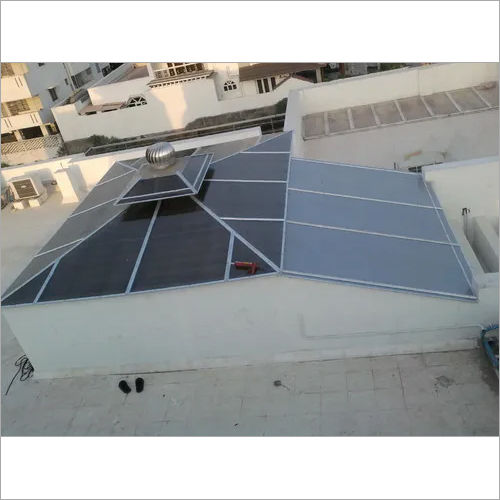
Simple, Hassle-Free InstallationInstallation is straightforward, requiring no electrical wiring and minimal expertise. The ventilator includes all necessary accessories like a base plate and fasteners, allowing for quick rooftop mounting on various surfaces and structures. Its maintenance-free operation further reduces ongoing upkeep.
FAQs of Stainless Steel Roof Ventilator:
Q: How is the stainless steel roof ventilator installed on commercial or industrial roofs?
A: Installation involves mounting the ventilator on the rooftop using the provided base plate and fasteners. No electrical connections or wiring are needed due to its wind-driven, non-powered design. The process is simple and suitable for most standard roof surfaces.
Q: What makes this roof ventilator suitable for industrial and warehouse applications?
A: The ventilator features high-grade stainless steel construction, a large blade count for efficient airflow, and a wide operating temperature range. Its durability, corrosion resistance, and ability to function effectively at minimal wind speeds ensure reliable ventilation in factories, warehouses, and similar environments.
Q: When should stainless steel roof ventilators be installed for optimal performance?
A: For best results, roof ventilators should be installed during building construction or retrofitted when ventilation, exhaust, or heat reduction is required. Early installation maximizes indoor air quality and thermal comfort throughout all seasons.
Q: Where can this ventilator be used, and are custom sizes available?
A: It is ideal for use in industrial facilities, commercial buildings, factory sheds, and warehouses. Custom sizes can be supplied on request to accommodate specific roof designs and ventilation requirements.
Q: What is the maintenance required to keep the ventilator functioning efficiently?
A: The ventilator is designed to be virtually maintenance-free. Occasional surface cleaning may be done to remove dust or debris, but no lubrication or part replacements are needed due to its non-powered, robust stainless steel construction.
Q: What are the main benefits of choosing a wind-driven, non-electric roof ventilator?
A: This ventilator delivers substantial energy savings, operates silently without causing noise pollution, reduces indoor heat and humidity, and offers a lifespan of over ten years. The absence of electric power and moving motors translates to a sustainable, environmentally friendly solution.
Q: How does the ventilators air flow capacity vary across different sizes?
A: Air flow capacity generally ranges from 1000 to 4000 CFM depending on the ventilators diameter and number installed. Larger units and higher counts enable increased circulation, accommodating larger spaces and specific air quality needs.






 Send Inquiry


 Send Inquiry


